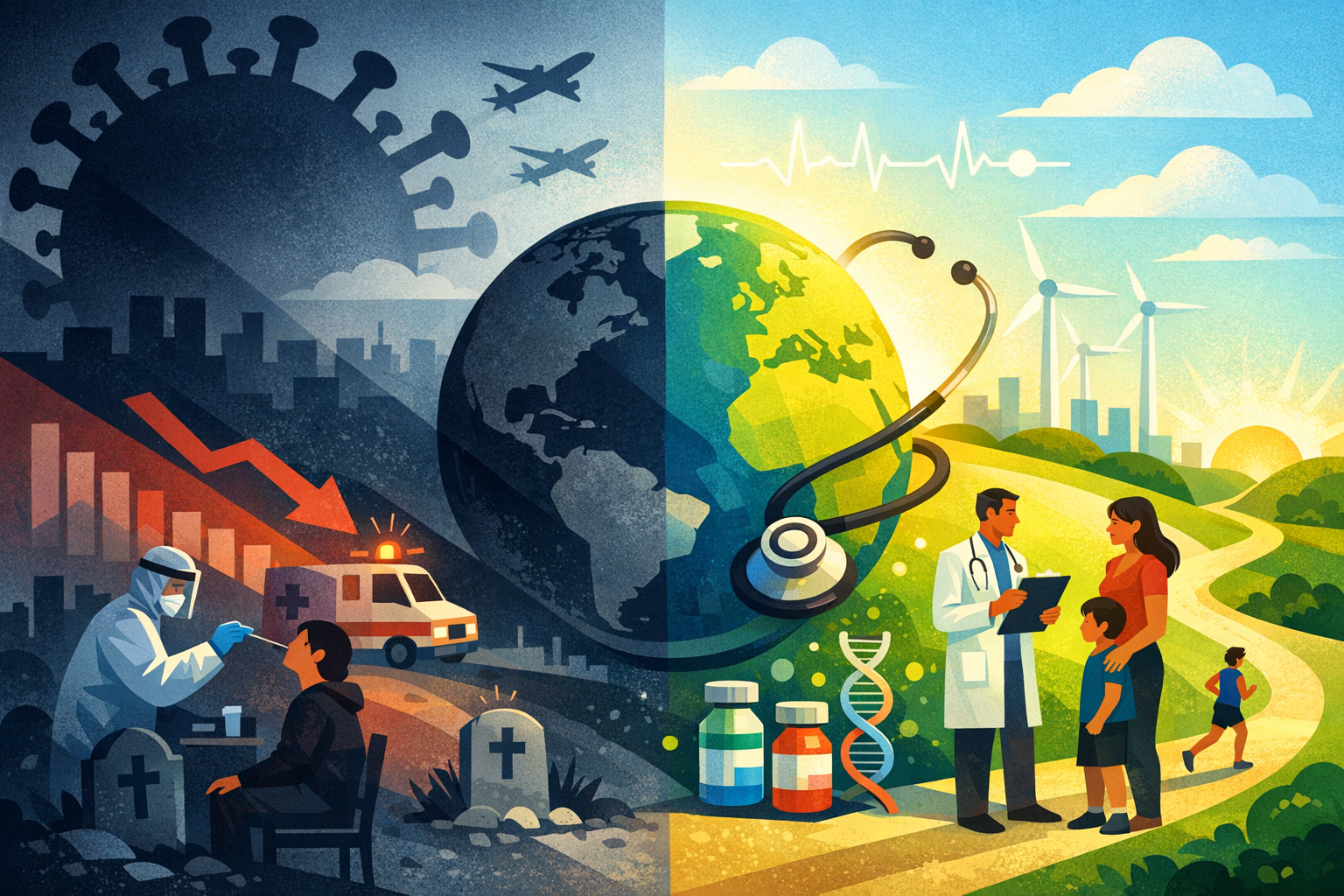
The Aftermath: A New Era in Global Health
The COVID-19 pandemic cast a long shadow over the globe, leaving no corner untouched. As countries grapple with the fallout, the world of healthcare has been irrevocably transformed. This transformation is evident in how health systems monitor diseases, strategize healthcare delivery, and devise future health policies. The pandemic has not only been a wake-up call but also a catalyst for change, driving an evolution that experts believe will significantly alter global health trends.
Revolutionizing Disease Monitoring
Before COVID-19, disease surveillance primarily relied on traditional methods such as hospital records and lab tests. However, the pandemic has accelerated the integration of technology into health monitoring. Real-time data analysis and digital tracking systems have become pivotal. Countries are investing in advanced analytics platforms to enhance their disease detection capabilities, aiming for not just faster responses but predictive insights.
For instance, the use of AI and machine learning has been instrumental in predicting potential outbreaks. These technologies analyze vast amounts of data from social media, health apps, and other digital sources, offering an unprecedented level of insight into health trends. This shift represents a significant departure from traditional practices, marking a proactive approach to public health.
Healthcare Strategies: A Paradigm Shift
The pandemic highlighted the vulnerabilities in existing healthcare systems, prompting a re-evaluation of strategies worldwide. Health systems are now focusing on resilience and adaptability. A crucial element of this strategy is the decentralization of healthcare services. By empowering local health units with resources and decision-making power, countries aim to foster a more responsive and robust healthcare framework.
Telemedicine, which saw a massive uptake during the pandemic, remains a cornerstone of this new strategy. Its ability to deliver healthcare to remote and underserved populations without the need for physical presence has proven invaluable. Countries are investing in telehealth infrastructure, ensuring that these services are accessible, reliable, and seamlessly integrated into the broader health system.
Shaping Future Health Policies
The pandemic's lessons have propelled changes in health policies, emphasizing sustainability and equity. Governments are prioritizing investments in public health infrastructure and workforce development, aiming to bridge the gaps exposed by the pandemic. Policies are being tailored to focus on mental health, recognizing its critical role in overall well-being—a concern that was starkly highlighted during the pandemic.
Global cooperation has also seen a renewed emphasis. The pandemic underscored the interconnectedness of global health, and as a result, nations are more committed to collaborative efforts. This is evident in initiatives like vaccine sharing and joint research efforts aimed at tackling future health threats.
The Road Ahead
As the world navigates the post-pandemic landscape, the shifts in global health trends are not just reactive measures but strategic adaptations. The integration of technology, the revamping of healthcare delivery, and the evolution of health policies are paving the way for a more resilient global health system. While challenges undoubtedly remain, the strides made in the aftermath of the pandemic provide a blueprint for a healthier, more equitable world.
In conclusion, the shadow of the pandemic has been a transformative force, reshaping how the world perceives and manages health. As we continue to adapt and evolve, these changes bear the potential to redefine the future of global healthcare.