Introduction: The Science of Taste
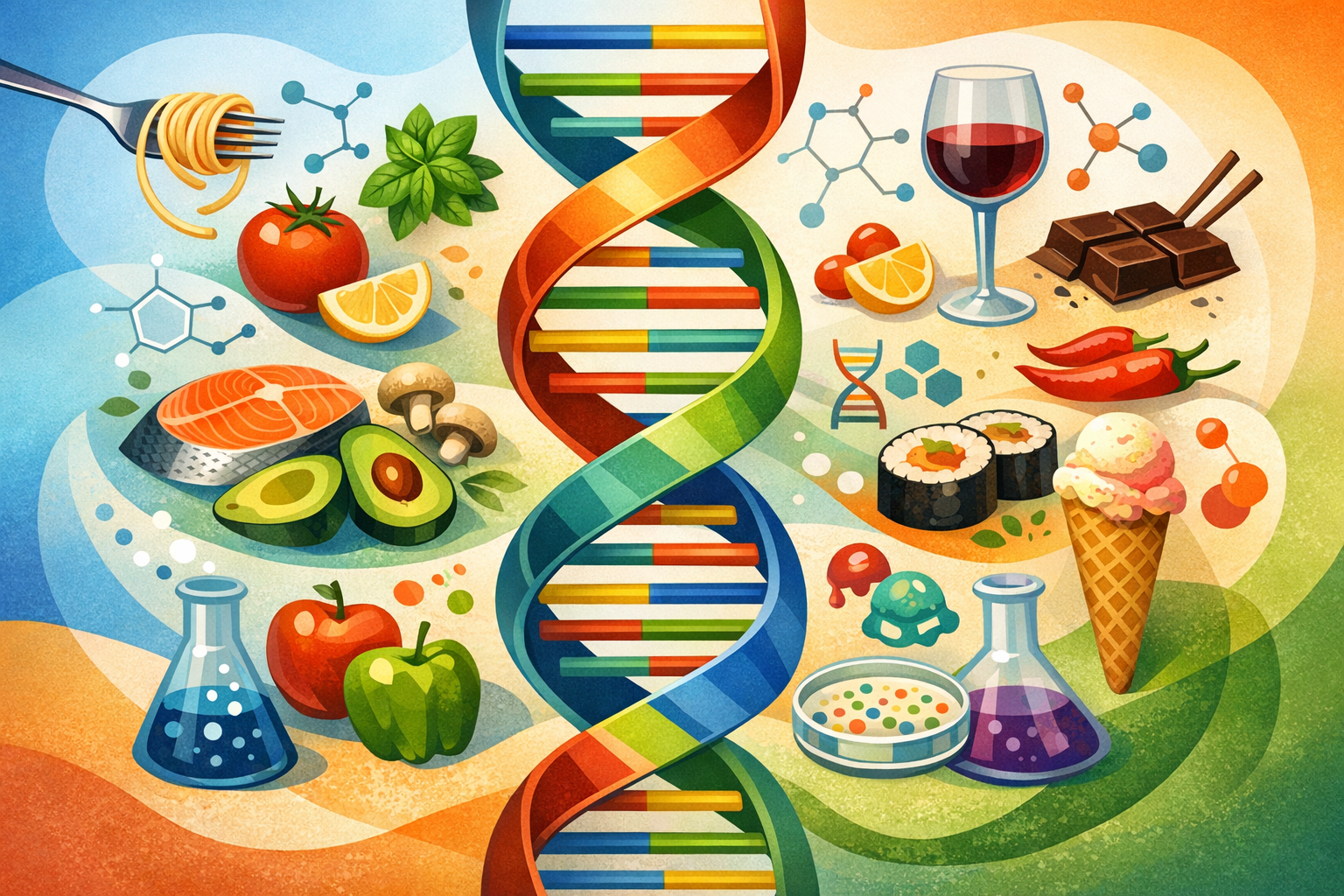
Have you ever wondered why some people can’t stand the taste of cilantro while others sprinkle it generously over their meals? The answer might just lie in your DNA. Recent research has illuminated the fascinating connection between genetic markers and taste preferences, offering intriguing possibilities for dietary personalization and culinary innovation.
Decoding the Genomic Influence on Taste
The human genome is a treasure trove of information, and scientists are increasingly uncovering how our genes influence various facets of our lives—including what we enjoy eating. Specific genetic variations, known as single nucleotide polymorphisms (SNPs), have been linked to the perception of basic tastes such as bitterness, sweetness, and umami.
For instance, the TAS2R38 gene, associated with the ability to taste bitterness, can determine a person’s sensitivity to bitter compounds found in vegetables like Brussels sprouts and broccoli. Those with a certain variation of this gene might find these foods unbearably bitter, while others perceive them as mildly flavorful.
Implications for Personalized Diets
The implications of understanding the genetic basis for taste preferences are profound. Personalized nutrition, which tailors dietary recommendations based on individual genetic profiles, could revolutionize the way we approach healthy eating. By aligning dietary choices with genetic predispositions, individuals can maximize enjoyment and adherence to healthier eating patterns.
Imagine a world where meal plans are customized not only to meet nutritional needs but also to align with your genetic-based flavor preferences. This approach could significantly enhance dietary satisfaction and compliance, potentially leading to better health outcomes.
Culinary Innovation and Restaurant Experiences
Beyond personal diets, the food industry stands on the brink of transformation. Restaurants and food producers could leverage genetic insights to craft menus and products that cater to diverse taste profiles. This could lead to a new era of culinary creativity, where dishes are not only chosen for their ingredients but also for their compatibility with the genetic palates of diners.
Chefs and food innovators are excited about the potential to experiment with flavors and ingredients that cater to the unique genetic makeup of individuals or specific populations, creating dining experiences that are both novel and deeply satisfying.
Challenges and Considerations
While the potential benefits are exciting, the integration of genetic information into dietary and culinary practices is not without challenges. Ethical considerations, such as privacy and the potential for genetic discrimination, must be addressed. Additionally, the science of nutrigenomics is complex and still evolving, necessitating cautious and informed application.
Furthermore, taste is a multifaceted experience influenced not only by genetics but also by cultural, environmental, and psychological factors. Thus, any approach to personalized nutrition must consider these elements alongside genetic data.
Conclusion: A Genetic Revolution in Taste
The intersection of genetics and gastronomy holds immense promise for enhancing culinary experiences and improving dietary health. As research continues to deepen our understanding of how our genes inform taste, the future may hold a world where our meals are as personalized as our genetic code. Embracing this genetic revolution in taste could lead to a more enjoyable, healthful, and personalized approach to eating for everyone.